
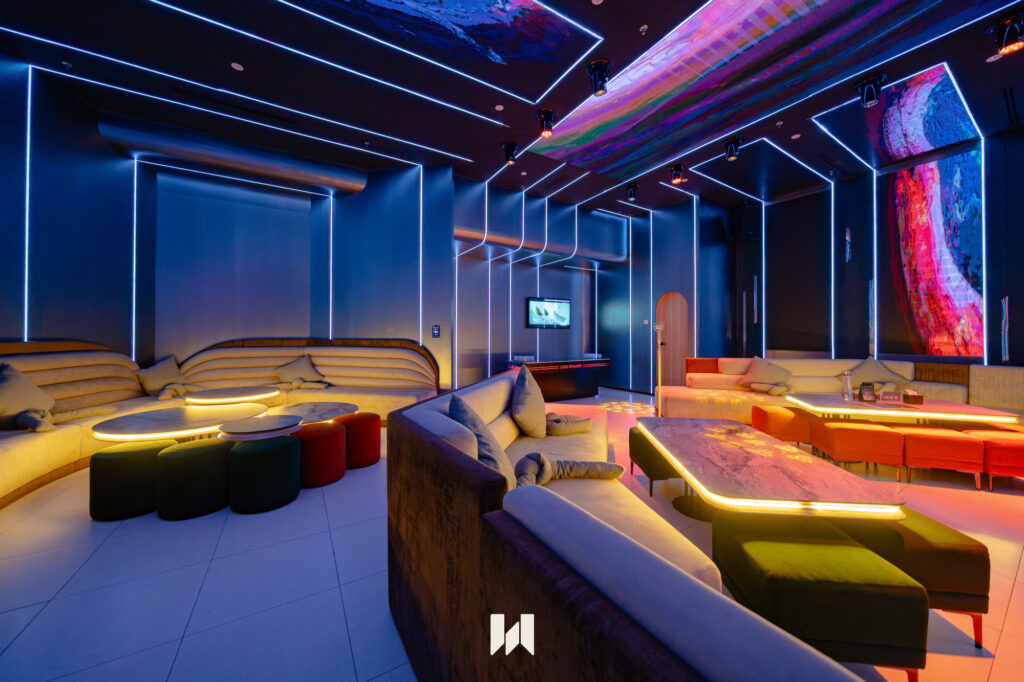
Whether you’re a homeowner eager to showcase your residence in the best light or a real estate agent aiming to capture the essence of a listing, great photos can make a world of difference. In today’s digital age, the good news is you don’t need a professional photographer or bulky equipment to achieve striking images. With your smartphone in hand and a few DIY interior photography tips, you’re well on your way to snapping stunning photos that grab attention. Here’s your comprehensive guide to DIY home photography, tailored for both novices and those looking to refine their skills.
Getting Started: Pre-Shoot Preparation
- Home Staging DIY: Before even touching your camera or phone, the first step involves staging your space. Declutter countertops, fluff pillows, and consider the flow of each room. Remember, less is often more. You want potential buyers to envision themselves in the space, so personal items should be kept to a minimum.
- Lighting: One of the secrets to captivating real estate listing photos is natural light. Schedule your shoot during the day when sunlight floods your interior. Open curtains and blinds, but watch out for direct sunlight, which can cast harsh shadows. The goal is soft, even light that makes your space feel warm and welcoming.
Capturing the Shot: Photography Tips
- Smartphone Photography Tips: Modern smartphones are equipped with impressive cameras, making them a formidable tool for DIY photography. Here are the essentials:
- Use the HDR Mode: This setting is particularly useful in interior photography, as it helps balance the light and dark areas of your shot, ensuring details are not lost.
- Keep It Steady: A shaky hand leads to a blurry photo. If possible, use a tripod designed for smartphones. If you don’t have one, steadying your phone against a solid surface can also help.
- Composition and Angle: For real estate photos, the way you frame your shot is crucial. Aim for a perspective that makes the room look spacious and inviting. Shooting from the doorway or a corner often gives the best view. Ensure your camera is level to avoid tilted images that can distort the room’s proportions.
- Wide-Angle Lens: Consider investing in a wide-angle lens attachment for your smartphone. This accessory allows you to capture more of the room in a single shot, making spaces appear larger.

Post-Processing: Editing Your Photos
The final touch to your DIY home photography involves editing. Here are a few beginner-friendly tips:
- Brightness and Contrast: Adjust these settings to ensure your image is neither too dark nor overly bright. The aim is to replicate how the room looks in natural light closely.
- Saturation: A slight boost can make your photos pop, but be cautious not to overdo it, as overly saturated images can look unnatural.
- Straightening: Ensure your vertical lines (like doorframes) are perfectly upright. This small adjustment can significantly enhance the professional feel of your photos.
- Recommended Apps: Several user-friendly apps, such as Adobe Lightroom Mobile, Snapseed, and VSCO, offer these editing features and more, tailored for non-professionals.
Final Thoughts
With these steps and tips, diving into DIY interior photography for your real estate listings becomes less daunting and more of an exciting creative outlet. Remember, practice makes perfect. Don’t be afraid to experiment with different setups, and review your photos critically to understand what works best for your space.
By applying these principles of DIY home photography, not only can you produce professional-quality listing photos, but you also cultivate a skill set that elevates the presentation of any space, through your own lens.
Looking for professionals to help you with interior design photography? Talk to us today!